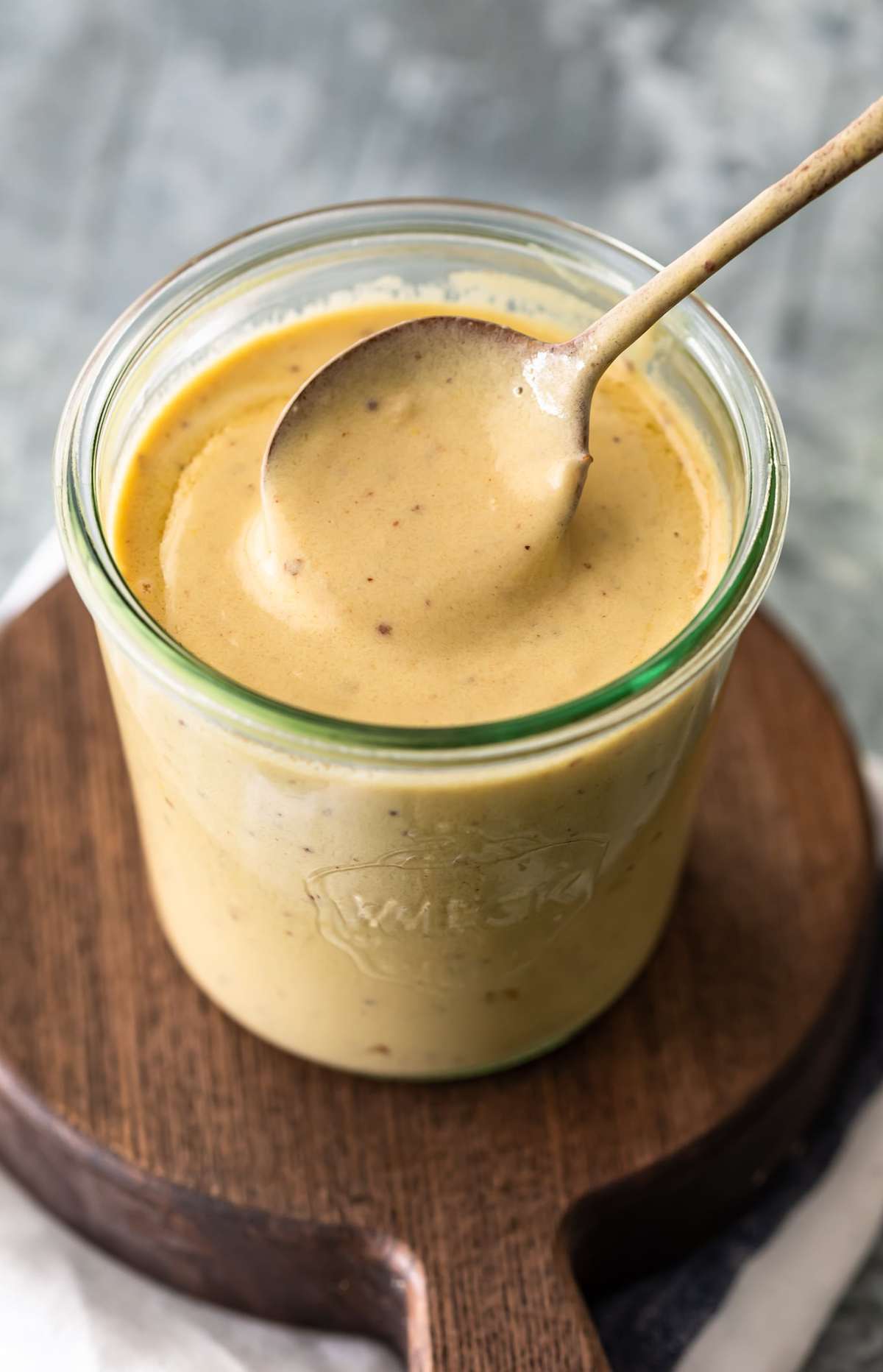
Transform Your Meals with an Easy 15-Minute Mustard Cream Sauce
Imagine turning a simple weeknight chicken breast or a humble pork chop into a dish that feels like it’s straight from a gourmet bistro. What if this culinary magic could happen in just 15 minutes? Enter the mustard cream sauce – a velvety, tangy, and incredibly versatile condiment that promises to elevate any protein to new heights of deliciousness. This isn't just a sauce; it's a flavor enhancer, a dinner game-changer, and your new secret weapon in the kitchen.
Whether you're looking to impress guests with a sophisticated steak dinner or simply want to add a touch of luxury to your everyday meals, a well-made mustard cream sauce delivers every time. Its creamy texture and piquant notes from Dijon mustard perfectly complement a wide array of flavors, making it an indispensable part of any home cook's repertoire. Forget bland meals; this easy recipe is about to unlock a world of gourmet possibilities in mere minutes.
The Magic Behind the 15-Minute Mustard Cream Sauce
The beauty of a truly exceptional mustard cream sauce lies in its simplicity and the quality of its core ingredients. While some creamy sauces can be finicky and time-consuming, this rendition is designed for speed without sacrificing an ounce of flavor or richness. The secret to its quick preparation within the 15-minute timeframe stems from a few key elements and smart cooking techniques.
At its heart, this sauce leverages the rapid thickening properties of heavy cream combined with the robust flavor profile of Dijon mustard. Unlike sauces that rely heavily on roux or long simmering times, our mustard cream sauce comes together by quickly sautéing aromatics, deglazing with a dry white wine, and then reducing the heavy cream until it reaches that perfect, luscious consistency.
The inspiration for a sauce this good often comes from classic culinary traditions, much like the memorable steak sauces found in upscale Italian restaurants. Chefs understand the power of a well-crafted sauce to define a dish. By breaking down those complex restaurant-quality flavors into manageable steps, we can recreate that magic in our own kitchens, proving that gourmet doesn't have to mean complicated.
Key components that make this sauce sing:
*
Dijon Mustard: This isn't just any mustard; Dijon brings a sophisticated, tangy heat without being overly aggressive. Its emulsifying properties also help bind the sauce. We'll explore how to adjust its intensity to perfectly match your protein.
*
Heavy Cream: Crucial for that luxurious texture. Heavy whipping cream, typically 36-40% milkfat, reduces beautifully and thickens on its own, providing a silky finish. Half-and-half or milk simply won't achieve the desired richness and consistency without added thickeners like a cornstarch slurry or a butter/flour roux, which would add steps and time.
*
Aromatics: Finely minced shallots and garlic provide a subtle, sweet, and pungent base that deepens the sauce's overall flavor. Shallots are preferred for their mildness, but a sweet onion or even red onion can be used in a pinch. Fresh garlic, ideally pressed or finely minced, guarantees the best flavor.
*
Dry White Wine: A dry white wine like Sauvignon Blanc or Pinot Grigio adds acidity and depth, cutting through the richness of the cream. It's reduced to concentrate its flavors before the cream is added. Crucially, avoid sweet wines, as their sugar content can throw off the sauce's balance. For a non-alcoholic option, chicken stock combined with a squeeze of lemon juice makes an excellent substitute.
*
Butter: Used for sautéing the aromatics, butter adds a foundational layer of richness and flavor that enhances the entire sauce.
These simple, high-quality ingredients, when combined with quick reduction techniques, allow you to create a deeply flavorful and elegant sauce that truly tastes like you spent hours, not minutes, perfecting it.
Crafting Your Perfect Mustard Cream Sauce: A Step-by-Step Guide
Achieving this gourmet mustard cream sauce in just 15 minutes is entirely feasible with a little prep and attention to detail. We'll focus on the cooked version, but for an even quicker, no-cook alternative perfect for cold dishes or dipping, simply whisk together mayonnaise, sour cream, Dijon mustard, and a splash of lemon juice to taste – cover and chill until serving. It's fantastic with crab cakes!
For our main star, the cooked mustard cream sauce, here’s how to bring it to life:
1.
Prep Your Aromatics (2 minutes): Begin by finely mincing your shallot and garlic. The finer they are, the quicker they'll cook and release their flavors. A garlic press can speed up the garlic mincing process significantly.
2.
Sauté and Build the Base (3 minutes): In a medium saucepan or skillet, melt a tablespoon of unsalted butter over medium heat. Add the minced shallot and garlic, sautéing until they are softened and fragrant – typically 2-3 minutes. This step is crucial for developing the foundational flavors of your sauce. If using fresh herbs like thyme or rosemary, add them now for a minute to bloom their oils.
3.
Deglaze and Reduce (4 minutes): Pour in about half a cup of dry white wine (or chicken stock/lemon juice mixture). Bring it to a simmer and let it reduce by half. This step concentrates the wine's flavor and burns off the alcohol, leaving behind a complex, aromatic liquid that forms the backbone of your sauce. This should take about 3-4 minutes.
4.
Add Cream and Thicken (5 minutes): Now, pour in 1 cup of heavy cream (remember, 36-40% milkfat is key!). Bring the mixture back to a gentle simmer and reduce the heat slightly. Allow the sauce to simmer, stirring occasionally, until it has lightly thickened to a coating consistency. This usually takes around 4-5 minutes. The heavy cream will naturally thicken as it reduces, creating that luxurious texture.
5.
Season and Finish (1 minute): Once the sauce has achieved its desired consistency, remove it from the heat. Stir in 1-2 tablespoons of Dijon mustard. The exact amount depends on your preference and what you're serving it with (more for beef, less for delicate fish). Season generously with sea salt and freshly ground black pepper to taste. If you desire a beautiful golden hue, sprinkle in a tiny pinch of turmeric powder – it's entirely optional and primarily for color. Stir until everything is well combined and adjust any seasonings as needed.
And just like that, in approximately 15 minutes, you have a rich, flavorful mustard cream sauce ready to dazzle your taste buds and transform your meal!
Pairing Perfection: What to Serve with Your Sauce
The versatility of this mustard cream sauce is truly one of its greatest assets. Its robust yet balanced flavor profile makes it an ideal companion for a wide variety of proteins and even some vegetables.
*
Chicken: A classic pairing. Drizzle it generously over pan-seared chicken breasts or thighs for an instant upgrade. The sauce keeps chicken moist and adds a bright, tangy counterpoint.
*
Pork: From tender pork tenderloin medallions to hearty pork chops or a roasted pork loin, this sauce is a match made in heaven. The mustard cuts through the richness of the pork beautifully.
*
Steak: Recreate that gourmet bistro experience at home! Spoon this mustard cream sauce over pan-seared ribeye, sirloin, or even a humble flat iron steak. The assertive flavor of beef stands up wonderfully to a slightly stronger mustard kick in the sauce.
*
Fish: While often associated with red meat or poultry, this sauce can also be divine with certain fish, particularly salmon. Its richness complements the fattiness of salmon, while the tang prevents it from being too heavy. For lighter white fish, use a slightly less mustard-forward version.
*
Beyond Proteins: Don't limit yourself to just meat! This sauce can be a fantastic addition to:
*
Potatoes: Mashed potatoes, roasted potatoes, or even simple boiled potatoes are elevated.
*
Roasted Vegetables: Asparagus, broccoli, green beans, or brussels sprouts get a gourmet touch.
*
Pasta: Toss with freshly cooked pasta for a quick and elegant weeknight dinner.
*
Appetizers: As mentioned, the no-cook version is excellent with crab cakes, but the cooked sauce can also accompany savory tarts or crostini.
Tips for Success & Flavor Variations
To ensure your mustard cream sauce is consistently perfect and to encourage your culinary creativity, here are some additional tips and ideas:
*
Ingredient Quality Matters: Since there are so few ingredients, the quality of each really shines through. Use fresh shallots and garlic, good quality unsalted butter, and a premium Dijon mustard. Brands like Grey Poupon or Maille are excellent choices.
*
Adjust Mustard to Taste: The "medium amount of mustard flavor" suggested in the recipe is a great starting point. Don't be afraid to add more if you're serving it with a robust cut of beef, or less if you prefer a subtler flavor, perhaps with delicate fish or poultry.
*
Explore Mustard Varieties: While Dijon provides that classic elegant flavor, consider adding a touch of whole grain mustard for texture and a slightly different tangy profile. *Avoid yellow mustard entirely*, as its flavor profile is too sharp and not suitable for this kind of rich sauce.
*
Herb Power: Thyme is a wonderful classic pairing with mustard, offering an earthy, slightly floral note. Rosemary also makes a fantastic, more pungent alternative that pairs particularly well with lamb or beef. For those eager to dive deeper into the nuances of gourmet sauces, exploring
Elevate Meals with Gourmet Dijon Cream Sauce: Chef's Secret can unlock even more culinary inspiration.
*
A Splash of Brandy: For an extra layer of indulgence and complexity, consider adding a splash (about 1-2 tablespoons) of good brandy or cognac after the white wine has reduced and before the cream. Let it simmer for a minute to cook off the alcohol, then proceed with the cream. This adds a sophisticated depth often found in French bistro sauces.
*
Consistency Check: If your sauce becomes too thick, thin it with a tablespoon of warm chicken stock or even a little water until it reaches your desired consistency. If it's too thin, simply simmer it gently for a few more minutes to reduce it further.
*
Non-Alcoholic Alternative: As mentioned, chicken stock combined with a squeeze of fresh lemon juice is an excellent substitute for white wine, offering the necessary acidity and depth without the alcohol.
*
Storage: Leftover mustard cream sauce can be stored in an airtight container in the refrigerator for up to 3-4 days. Gently reheat it over low heat, stirring frequently, adding a splash of stock or water if it's too thick.
*
Mastering the Technique: To truly become a master of this exquisite topping, learn how to
Master Mustard Cream Sauce: Heavy Cream, Wine & Dijon Tips, focusing on ingredient selection and expert techniques.
Conclusion
This easy 15-minute mustard cream sauce is more than just a recipe; it's a testament to how simple ingredients, combined with a little know-how, can create truly extraordinary flavors. From its humble origins in Italian restaurant kitchens to becoming a staple in your home, this sauce promises to transform everyday meals into memorable dining experiences. Its versatility with chicken, pork, steak, and even fish makes it an invaluable addition to your culinary repertoire. So, go ahead, gather your ingredients, and in just a quarter of an hour, you'll be savoring a rich, tangy, and utterly delicious sauce that will make you wonder why you ever settled for bland. Happy cooking!