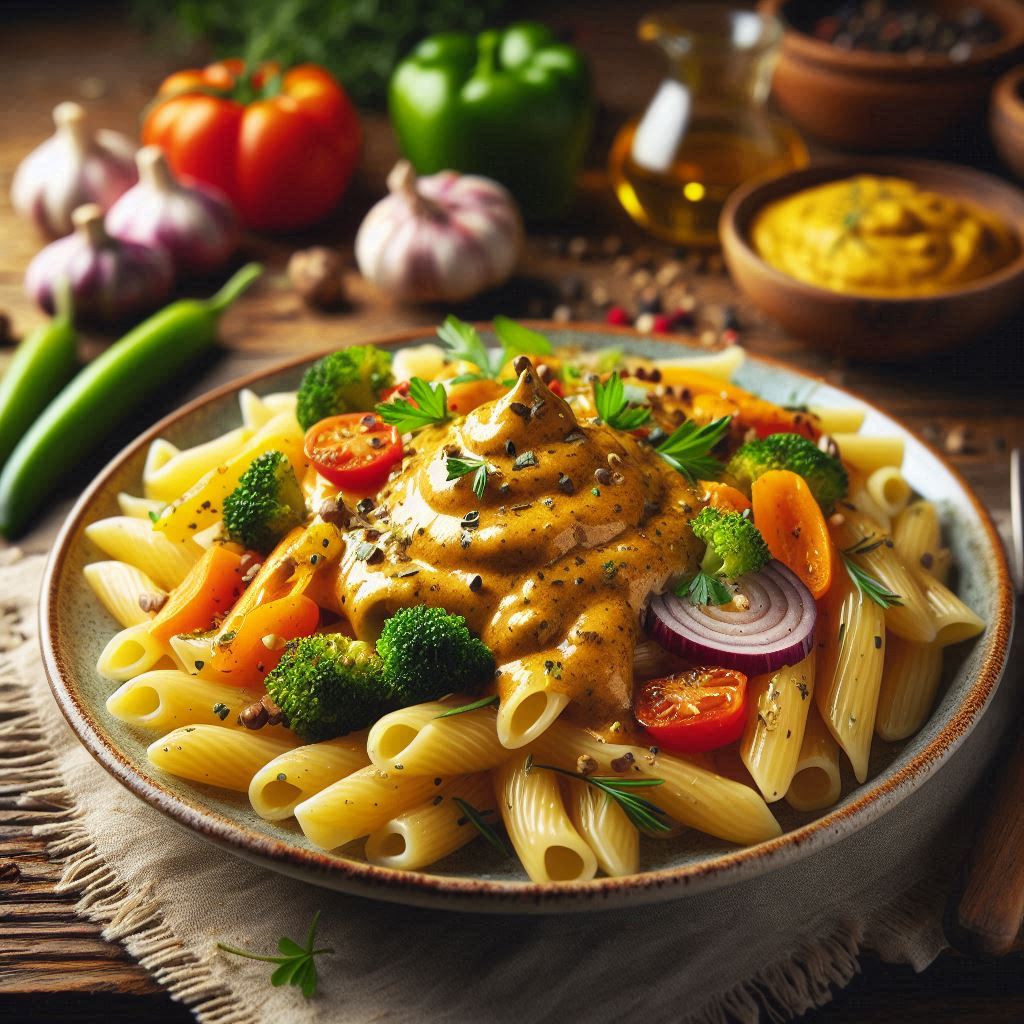
Transforming an ordinary meal into an extraordinary culinary experience often hinges on one key element: the sauce. And when it comes to sauces that effortlessly elevate chicken, fish, pork, or steak, a perfectly executed mustard cream sauce reigns supreme. Far from being just a condiment, this rich, velvety concoction, with its piquant kick from Dijon mustard, offers a sophisticated flavor profile that can make any weeknight dinner feel like a gourmet feast. Let's dive deep into the art of mastering this classic sauce, focusing on the essential roles of heavy cream, dry white wine, and of course, exceptional Dijon mustard.
The Heart of the Sauce: Heavy Cream, Wine, and Dijon Dynamics
At its core, a truly exceptional mustard cream sauce is a delicate balance of fat, acid, and pungency. Understanding the contribution of each primary ingredient is crucial to achieving that perfect harmony.
Heavy Cream: The Indulgent Foundation
The choice of dairy is paramount. For that luxurious, thick consistency that clings beautifully to your protein, heavy whipping cream (typically 36%-40% milkfat) is non-negotiable. Its high fat content allows it to reduce and thicken naturally, forming a stable emulsion. Attempts to substitute with lower-fat alternatives like half-and-half or milk will inevitably lead to a thinner, less satisfying sauce that won't achieve the desired richness without artificial thickeners. While a cornstarch slurry or a butter/flour roux can technically thicken lighter liquids, they often compromise the pure, unadulterated creaminess that defines this sauce. Embrace the richness – it's what makes this sauce so special.
Dry White Wine: The Flavor Amplifier and Deglazing Agent
White wine serves multiple critical functions in a mustard cream sauce. Firstly, it deglazes the pan, lifting up all those delicious caramelized bits (fond) left behind from searing your protein, infusing the sauce with deeper, more complex flavors. Secondly, as the wine reduces, its alcohol evaporates, leaving behind concentrated fruity and acidic notes that cut through the richness of the cream, preventing the sauce from becoming cloying. A dry white wine is essential here. Think Sauvignon Blanc, Pinot Grigio, or Pinot Gris. Avoid sweet wines at all costs, as their sugar content will throw the sauce's flavor balance completely off. If alcohol isn't an option, a good quality chicken stock with a squeeze of fresh lemon juice can be a viable, though slightly different, substitute.
Dijon Mustard: The Star of the Show
Dijon mustard is the definitive flavor component, providing that signature tangy, slightly spicy, and wonderfully complex note. Its smooth texture and balanced acidity are ideal for incorporating into a creamy base. While other mustards like whole grain can add interesting texture and a slightly different profile (delicious with pork!), and even a touch of spicy brown mustard can be intriguing, avoid plain yellow mustard. Its vinegar-forward, less nuanced flavor is simply not suited for the elegance of a classic mustard cream sauce. The beauty of Dijon is its versatility – you can adjust the amount to your taste, adding more for a bolder, more assertive sauce, especially when serving with heartier meats like beef.
Crafting Your Culinary Masterpiece: Step-by-Step Excellence
The process of making this sauce is surprisingly straightforward, typically taking under 20 minutes, making it perfect for both weeknight dinners and special occasions.
- Aromatics First: Begin by finely mincing shallots and garlic. Shallots are often preferred for their subtle sweetness and delicate onion flavor, but a sweet onion or even red onion can work in a pinch. Freshly minced garlic is always superior to pre-minced for depth of flavor.
- Sauté and Soften: Melt a tablespoon or two of unsalted butter in a medium saucepan or skillet over medium heat. Butter not only prevents sticking but also adds another layer of rich flavor to the base. Sauté the minced shallots and garlic until they are fragrant and translucent, about 2-3 minutes.
- Herb Infusion: Add your chosen fresh herbs. Thyme and rosemary are both excellent choices. Thyme offers an earthy, slightly lemon-peppery note that pairs wonderfully with mustard, while rosemary provides a more piney, robust aroma. Sauté for another minute to release their oils.
- Wine Reduction (Deglazing): Pour in your dry white wine. Increase the heat slightly and bring it to a simmer, scraping up any browned bits from the bottom of the pan with a wooden spoon. Allow the wine to reduce by half. This step concentrates the wine's flavor and burns off the alcohol, leaving behind a delicious essence.
- Creamy Reduction: Next, add the heavy cream. Bring the mixture back to a gentle simmer and reduce the heat to medium-low. Let it gently bubble, stirring occasionally, until the sauce visibly thickens to a lightly coating consistency. This usually takes about 5-8 minutes. Patience here is key; natural reduction creates the best texture.
- The Finishing Flourish: Once the sauce has thickened, remove it from the heat. Stir in the Dijon mustard. Season generously with sea salt and freshly ground black pepper. This is also the point to add an optional pinch of turmeric for a beautiful golden hue, if desired. Taste and adjust the seasonings – you might want more mustard, salt, or pepper depending on your preference and what you're serving it with.
For an even quicker version, especially when time is of the essence, consider exploring an Easy 15-Minute Mustard Cream Sauce for Chicken, Pork & Steak, which streamlines some steps without sacrificing flavor.
Beyond the Basics: Customization and Pairing Prowess
The beauty of a classic mustard cream sauce lies in its adaptability. Once you've mastered the fundamental recipe, you can easily tweak it to suit your palate and the dish it accompanies.
Mustard Variations
- Whole Grain Mustard: For a delightful textural contrast and a slightly coarser, tangier flavor, incorporate a tablespoon of whole grain mustard alongside your Dijon. This works exceptionally well with pork.
- Spicy Brown Mustard: A tiny dash can add a subtle kick without overpowering the creamy base.
Herb Alternatives
- While thyme and rosemary are excellent, consider fresh tarragon for a subtle anise note, particularly lovely with fish or chicken.
- Chives or parsley added at the very end can brighten the flavor and add a touch of fresh green.
Luxurious Enhancements
- Brandy or Cognac: After sautéing the shallots and garlic, a splash of brandy or cognac (reduce it fully before adding wine or cream) can add depth and a sophisticated warmth to the sauce, as seen in some bistro-style preparations.
- Gorgonzola or Blue Cheese: For a truly decadent experience, a crumble of Gorgonzola or other blue cheese melted into the sauce at the very end creates a magnificent "Gorgonzola mustard cream sauce" that pairs exquisitely with steak. This is a testament to how Elevate Meals with Gourmet Dijon Cream Sauce: Chef's Secret can be applied in your own kitchen.
- Mushroom Magic: Sautéing sliced mushrooms (cremini or button) with the shallots and garlic adds an earthy umami depth that complements the mustard and cream perfectly.
Perfect Pairings
This versatile mustard cream sauce is truly a chameleon in the kitchen, enhancing a wide array of dishes:
- Proteins: Chicken breasts or thighs, salmon fillets, pork tenderloin or chops, beef steaks (sirloin, ribeye), and even seared scallops all shine with this sauce.
- Vegetables: Drizzle it over roasted asparagus, steamed green beans, sautéed spinach, or tender boiled potatoes for an instant upgrade.
- Appetizers: A lighter version of this sauce (perhaps with a touch of mayonnaise or sour cream as mentioned in some traditions) can be a fantastic accompaniment to crab cakes or other rich, savory bites.
Troubleshooting and Pro Tips
- Sauce Too Thin? Continue to simmer gently, stirring frequently, until it reduces further. If you're truly pressed for time, a tiny cornstarch slurry (1 tsp cornstarch mixed with 1 tsp cold water) can be stirred in at the end, but use sparingly to avoid a starchy taste.
- Sauce Too Thick? Whisk in a tablespoon or two of warm chicken stock or even a splash more cream until the desired consistency is achieved.
- Preventing Curdling: Always add Dijon mustard and other strong acids after the cream has reduced and been removed from direct high heat. Whisking continuously helps to emulsify the ingredients smoothly.
- Making Ahead: Mustard cream sauce can be made a day in advance and stored, covered, in the refrigerator. Gently reheat over low heat, stirring frequently, and thin with a splash of cream or stock if needed.
- Taste, Taste, Taste: The most important tip for any sauce. Adjust seasonings as you go, especially the mustard, to ensure it perfectly complements your main dish.
Mastering mustard cream sauce is an invaluable skill for any home cook. Its blend of creamy richness, subtle acidity, and the signature tang of Dijon transforms simple ingredients into an unforgettable meal. With a little practice and attention to detail, you'll be creating restaurant-quality dishes in your own kitchen, impressing family and friends with this timeless culinary gem.
