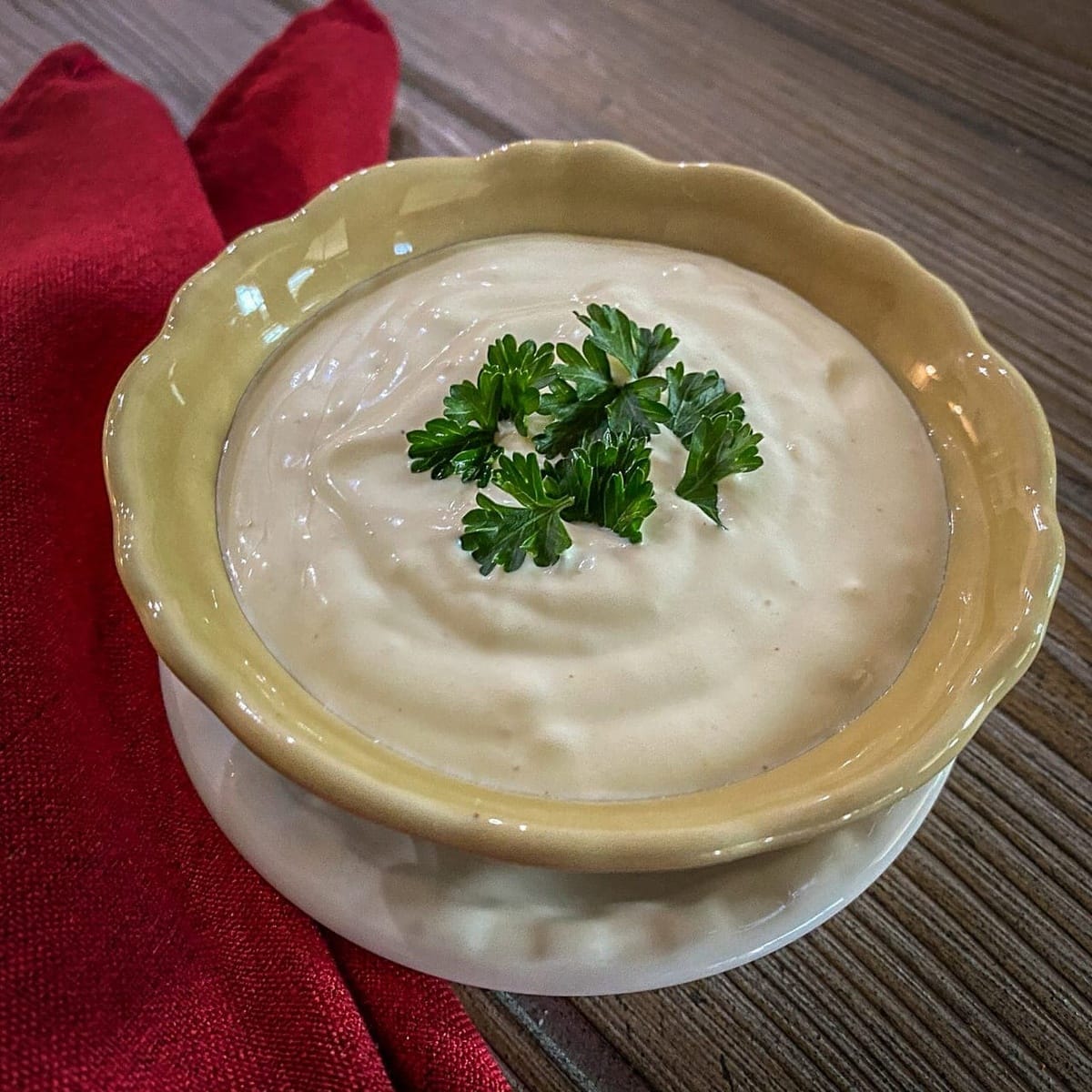
Elevate Meals with Gourmet Dijon Cream Sauce: The Chef's Secret for Unforgettable Flavors
Imagine transforming an everyday meal into a culinary masterpiece with just one addition. That's the magic of a truly gourmet **mustard cream sauce**. This luscious, velvety condiment, often considered a chef's secret weapon, possesses the power to elevate simple proteins like chicken and pork, or turn a humble steak into a restaurant-quality experience. Far more than just a topping, a well-crafted Dijon cream sauce brings together rich creaminess, a subtle piquancy from Dijon mustard, and aromatic depth, making every bite memorable. Whether you're looking to impress guests, add a touch of decadence to a weekend feast, or simply make a weeknight dinner feel special, understanding the nuances of this versatile sauce is key. From quick, no-cook versions perfect for appetizers to sophisticated, pan-reduced concoctions inspired by Italian bistro kitchens, there's a **mustard cream sauce** for every occasion and skill level.What Makes a Mustard Cream Sauce Truly Gourmet?
The secret to a truly outstanding **Dijon cream sauce** lies in a thoughtful combination of high-quality ingredients and a mastery of technique. It's a symphony of flavors and textures, each component playing a crucial role in creating a balanced and luxurious experience.- Heavy Cream: The Foundation of Luxury
The cornerstone of any rich cream sauce is, undeniably, heavy whipping cream. With a milkfat content typically between 36% and 40%, it provides the necessary richness and body that allows the sauce to thicken beautifully without additional starches. Unlike half-and-half or milk, heavy cream reduces wonderfully, concentrating its flavor and achieving that desirable velvety consistency. If you ever find yourself needing a substitute, a cornstarch slurry or a classic butter-flour roux can help thicken lighter dairy, but for true gourmet texture, heavy cream is paramount. - Aromatics: Building the Flavor Base
Subtle yet essential, finely minced shallots and garlic are the unsung heroes, laying down a delicate aromatic foundation. Shallots, with their milder, sweeter oniony flavor, are often preferred over stronger onions, ensuring they enhance rather than overpower the delicate balance of the sauce. Freshly minced garlic adds a pungent warmth that deepens as it gently sautés. These aromatics are typically softened in butter, adding another layer of richness even before the cream is introduced. - Dry White Wine: A Splash of Sophistication
A dry white wine, such as Sauvignon Blanc, Pinot Grigio, or Pinot Gris, is a critical component for deglazing and adding a bright, acidic counterpoint to the richness of the cream. When added to the pan after sautéing aromatics, it helps release flavorful browned bits from the bottom, creating a deeper, more complex taste. Reducing the wine by half concentrates its essence, infusing the sauce with a sophisticated depth. Crucially, avoid sweet wines, as their sugar content will disrupt the savory profile of the sauce. For a non-alcoholic alternative, a splash of good quality chicken stock combined with a squeeze of fresh lemon juice works admirably. - Dijon Mustard: The Heart of the Sauce
This is where the magic truly happens. Dijon-style mustard is the star, offering a unique blend of sharp, tangy, and subtly spicy notes that perfectly cut through and complement the richness of the cream. Its emulsifying properties also contribute to the sauce's smooth texture. While other mustards can be used (whole grain mustard adds a delightful pop and rustic appeal), yellow mustard is generally discouraged due to its distinct, often vinegary, and less nuanced flavor profile. The beauty of Dijon is its versatility – you can adjust the amount to taste, making it bolder for heartier meats like beef, or more subtle for delicate fish. - Fresh Herbs: Aromatic Finishing Touch
Fresh herbs provide an aromatic flourish that elevates the sauce from good to extraordinary. Thyme is a classic choice, its earthy, slightly floral notes pairing beautifully with both mustard and rich proteins. Rosemary offers a more robust, piney aroma that can be a wonderful alternative or complement. Remember, fresh herbs deliver a vibrant flavor that dried herbs simply can't match, so use them generously. - Turmeric (Optional): For That Golden Glow
While not contributing significantly to flavor, a small pinch of turmeric powder is often added for purely aesthetic reasons. It imparts a beautiful, inviting golden-yellow hue, making the sauce even more appealing on the plate.
The Art of Crafting Your Dijon Cream Sauce (Cooked Version)
Creating this gourmet **mustard cream sauce** is a rewarding culinary journey that typically takes less than 20 minutes. Here's how to master the technique:- Prep Your Aromatics: Begin by finely mincing your shallot and garlic. The finer they are, the more evenly their flavors will disperse into the sauce. A garlic press can speed up the process and create a smooth paste.
- Sauté to Perfection: In a medium saucepan or skillet, melt a tablespoon or two of butter over medium heat. Add the minced shallot and garlic, cooking gently until they soften and become translucent – usually 2-3 minutes. Avoid browning them, as this can lead to a bitter taste.
- Deglaze and Reduce: Stir in your chosen fresh herbs (like thyme or rosemary) for about 30 seconds until fragrant. Pour in about half a cup of dry white wine (or chicken stock with lemon juice). Bring to a simmer, scraping up any browned bits from the bottom of the pan. Allow the wine to reduce by half, which intensifies its flavor.
- Infuse with Cream: Pour in about a cup of heavy whipping cream. Bring the mixture to a gentle simmer and reduce the heat to medium-low. Let the sauce gently bubble and thicken, stirring occasionally, until it coats the back of a spoon. This reduction process can take 5-10 minutes, depending on the heat and pan size. Patience here is key to achieving that perfect consistency.
- Final Seasoning and Mustard Mastery: Once the sauce has thickened to your liking, remove it from the heat. Stir in a small pinch of turmeric powder (if using, for color). Now, it's time for the star: add 1-2 tablespoons of Dijon mustard, sea salt, and freshly ground black pepper to taste. Start with a smaller amount of mustard and gradually add more until you reach your desired level of piquant flavor. Remember, you can always add more, but you can't take it away! Stir well to combine and adjust any seasonings as needed. If pairing with stronger meats like beef, you might find that adding a touch more mustard truly enhances the experience.
For even more in-depth advice on selecting and combining your ingredients, particularly the nuances of dairy, wine, and Dijon, be sure to check out our guide on Master Mustard Cream Sauce: Heavy Cream, Wine & Dijon Tips.
Versatile Pairings: Beyond Steak and Chicken
The beauty of a gourmet **mustard cream sauce** lies in its incredible versatility. While it’s famously delicious with steak and chicken, its rich, tangy profile complements a wide array of dishes, making it an indispensable part of your culinary repertoire.- Proteins:
- Chicken: Pan-seared chicken breasts or thighs, roasted whole chicken, crispy chicken cutlets.
- Pork: Seared pork tenderloin medallions, thick-cut pork chops, breaded schnitzel.
- Beef: Classic pan-seared steaks (filet mignon, ribeye, sirloin), prime rib, even a decadent topping for meatloaf.
- Fish: Pan-seared salmon fillets, flaky cod, halibut, or grilled shrimp. The richness of the sauce beautifully complements leaner fish.
- Vegetables: Drizzle over roasted asparagus, steamed broccoli, sautéed green beans, or pan-fried mushrooms for an instant flavor upgrade.
- Starches: A dollop over creamy mashed potatoes, risotto, or even as a light coating for pasta can transform these simple sides into something special.
- Appetizers: While the cooked version is generally for main courses, a simpler, cold version of mustard cream sauce is perfect for things like crab cakes or as a dip for spring rolls.
Quick & Easy Dijon Cream Sauce: The No-Cook Method
Sometimes, you need a burst of flavor with absolutely minimal effort. For those moments, a quick, no-cook **Dijon cream sauce** is your best friend. This version, though different in texture and depth from its cooked counterpart, is incredibly satisfying and ready in minutes. Simply whisk together mayonnaise and sour cream as your creamy base. Add a generous amount of Dijon-style mustard and a splash of fresh lemon juice for brightness and tang. Adjust the mustard to your personal preference, adding more for a bolder kick. Chill in the refrigerator until ready to serve. This delightful concoction is perfect as a dipping sauce for appetizers like crab cakes, a tangy spread for sandwiches and wraps, or a zesty dressing for potato or pasta salads. It’s an instant flavor booster for cold dishes where a cooked sauce might be too heavy. For an even quicker version that’s ideal for weeknight dinners, explore our recipes for an Easy 15-Minute Mustard Cream Sauce for Chicken, Pork & Steak.Chef's Tips for Perfecting Your Mustard Cream Sauce
To truly master the art of making an exceptional **mustard cream sauce**, keep these insider tips in mind:- Don't Rush the Reduction: Whether it's the wine or the cream, allow liquids to reduce naturally over medium-low heat. Rushing with high heat can cause the cream to separate or scorch, leading to a less desirable texture and flavor.
- Taste, Taste, Taste!: Seasoning is a dynamic process. Continuously taste your sauce as you add mustard, salt, and pepper. Flavors intensify as the sauce reduces, so regular tasting ensures perfect balance.
- Experiment with Mustard Varieties: While Dijon is the go-to, don't shy away from adding a touch of whole grain mustard for texture and a slightly different flavor profile. Just be sure to avoid yellow mustard for this gourmet application.
- Fresh is Best (Herbs & Garlic): The vibrant flavors of fresh minced garlic and fresh herbs like thyme or rosemary truly make a difference. They impart an aromatic depth that dried alternatives simply can't replicate.
- Storage and Reheating: Leftover mustard cream sauce can be stored in an airtight container in the refrigerator for 3-4 days. To reheat, do so gently over low heat, stirring frequently. If it's too thick, add a splash of milk, chicken stock, or even water to achieve the desired consistency, whisking until smooth. Avoid high heat, as it can cause the sauce to break.
